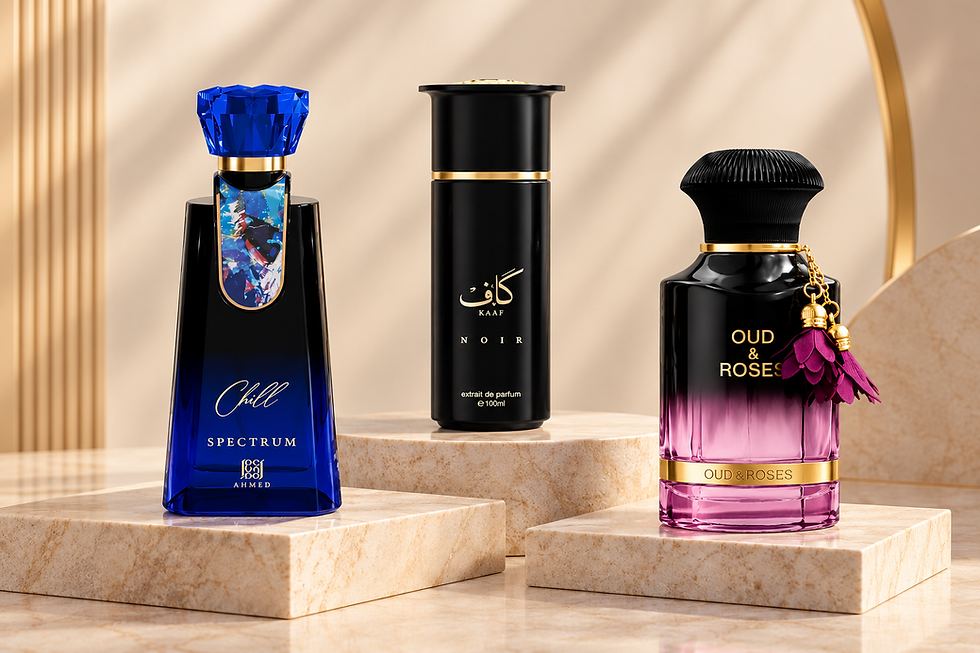
What Makes a Perfume Feel Truly Luxurious? Notes, Concentration, Craftsmanship, and Sillage Explained
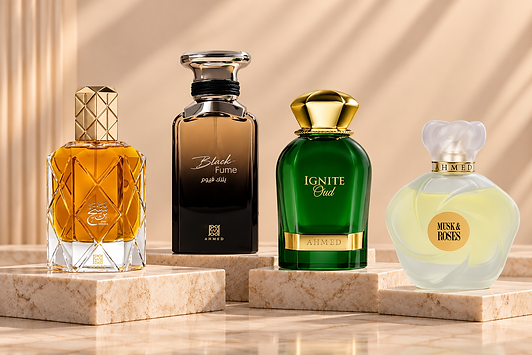
A luxurious perfume is more than an expensive bottle or a famous name. It is the way a fragrance develops on the skin, the balance between its ingredients, and the impression it leaves long after application. Some perfumes feel luxurious because they are rich and warm, while others stand out through fresh notes, subtle projection, or an unexpected combination of ingredients.
Understanding what creates this experience helps fragrance enthusiasts choose perfumes based on quality and personal preference rather than price alone.
1. Fragrance Notes: The Foundation of Luxury
Fragrance notes shape a perfume's character. Most compositions develop through three stages: top, heart, and base notes.
Top notes: The first impression, often created by citrus, aromatic herbs, or fresh fruits.
Heart notes: The central character, which may feature rose, jasmine, spices, or other florals.
Base notes: The deeper foundation, often built around woods, musk, amber, vanilla, or oud.
What makes a fragrance feel sophisticated is how these elements work together. A bright citrus opening that gradually reveals warm woods can feel more interesting than a scent that remains unchanged from the first spray.
In Middle Eastern perfumery, ingredients such as oud, saffron, rose, incense, and amber accords are often combined to create depth and a distinctive character. The result can feel bold, intimate, smoky, or softly sweet depending on the composition.
2. Concentration: Is a Stronger Perfume Always Better?
Fragrance concentration refers to the proportion of aromatic materials in a perfume formula. Common formats include Eau de Toilette, Eau de Parfum, Extrait de Parfum, and concentrated perfume oils.
Higher concentrations can offer a richer or longer-lasting experience, but concentration alone does not determine performance. The ingredients, formula, volatility of the materials, and how the perfume interacts with skin all matter.
For example, an Eau de Parfum may project strongly during its opening, while a concentrated oil may remain closer to the skin. Neither format is automatically superior; they provide different ways to experience fragrance.
When choosing a Luxury Niche Perfume, consider whether you prefer a noticeable scent trail or a more personal fragrance that people discover when they come closer.
3. Craftsmanship: The Details Behind a Distinctive Scent
Craftsmanship is often what separates a memorable perfume from an ordinary one. It involves the selection and blending of materials, the balance between contrasting notes, and the way the composition develops over time.
A well-crafted fragrance does not need to contain rare ingredients to feel sophisticated. Even familiar notes such as bergamot, cedarwood, rose, and musk can create an exceptional experience when blended thoughtfully.
Packaging also contributes to the overall presentation. Carefully designed bottles, quality closures, and considered details can make a perfume feel special, although attractive packaging alone does not prove the quality of the fragrance inside.
For enthusiasts, the real test is the scent itself: Does it develop naturally? Do the notes complement one another? Does the dry-down remain appealing after several hours?
4. Sillage: The Invisible Signature of Luxury
Sillage describes the scented trail a perfume leaves as the wearer moves. It differs from longevity, which refers to how long a fragrance remains detectable.
A perfume can last many hours without projecting far, while another may create a noticeable scent cloud but fade sooner. Both qualities depend on the formula, application, environment, and individual skin chemistry.
Luxury does not always mean maximum projection. A restrained fragrance can feel elegant in a professional setting, while a richer scent trail may suit an evening celebration. The most successful choice is one that fits the occasion without overwhelming the people nearby.
5. How to Choose a Perfume That Feels Luxurious
Start with the scent families you naturally enjoy. Choose citrus and aromatic notes for freshness, woods and spices for depth, or amber and musk for warmth. If you enjoy richer compositions, explore fragrances featuring oud or resinous accords.
Test the perfume on your skin and give it time to develop. Smell it after the opening has settled, and notice whether the heart and base notes appeal to you. Consider the season, occasion, and amount of projection you prefer before purchasing a full bottle.
Ultimately, Luxury Niche Perfume is best understood through the complete experience: thoughtful composition, balanced development, suitable performance, and a scent that feels personal to the wearer. A high price may contribute to a perfume's positioning, but genuine enjoyment comes from how well the fragrance suits your taste.
Frequently Asked Questions (FAQs)
What makes a perfume smell expensive?
Balanced fragrance notes, thoughtful blending, a smooth dry-down, and a distinctive scent profile can make a perfume feel luxurious regardless of its price.
Does higher perfume concentration mean better quality?
No. Higher concentration may affect richness and performance, but ingredient quality, formulation, and fragrance structure also influence the overall experience.
What is the difference between sillage and longevity?
Sillage is the scented trail a perfume leaves around the wearer, while longevity is the length of time the fragrance remains detectable.
How can I make my perfume last longer?
Apply it to moisturized skin, store the bottle away from heat and sunlight, and avoid rubbing the fragrance after application. Actual longevity varies by formula and skin chemistry.